

My Journey
My early beginnings
I was born into rice farmer parents in Anibongan, Carmen, Philippines, where the earth was always wet and my feet were almost never clean. The rice paddies stretched farther than my eyes could follow, and as a child, I believed the world began and ended there—between water and sky, between planting and harvest.
We lived without electricity, without indoor plumbing, without anything that made life easy. Nights were dark and quiet except for insects and the soft breathing of my family. A kerosene lamp was our only light, its flame trembling like it might give up at any moment—much like us. Water had to be carried by hand. Bathing, cooking, cleaning—everything required effort. Even as a child, I understood that nothing in our life came without cost.
The rice field was not a backdrop to my childhood. It was my childhood.
I remember the mud—cool at first, then heavy as it clung to my legs. I remember the sharp edges of rice stalks cutting into my skin, and the sun pressing down on my small body until my shoulders ached. While other children elsewhere might have been learning games, I was learning endurance. While they played, I worked.
At five years old, my hands were already part of survival.
I helped with the second harvest, bending low for hours, my back burning, my fingers stiff and sore. The rice grains felt bigger than me, heavier than they should have been in such small hands. I didn’t fully understand money, but I understood that these grains meant food. They meant tomorrow. They meant we would get through another week.
After harvesting, I helped sell the rice. I watched adults weigh it carefully, their faces serious, calculating what our labor was worth. I stood there quietly, barefoot, dust clinging to my skin, knowing that the coins exchanged were not for treats or toys—but for rice, salt, oil, survival. Childhood innocence slipped away in those moments, replaced by a quiet awareness that life was fragile and effort was everything.
Sometimes, exhaustion made me want to cry—but I didn’t. Crying didn’t make the rice grow. Crying didn’t fill our stomachs. So I swallowed it and kept going.
There were moments of beauty, too—moments that still soften me when I remember them. Early mornings when the fog hovered low over the paddies, the world hushed and sacred. The sound of wind moving through the rice like a gentle song. The way the water reflected the sky so perfectly it felt like I was standing inside a dream. In those moments, I felt small—but also deeply connected to something bigger than myself.
Living without comfort taught me lessons no classroom ever could. I learned patience from waiting for crops to grow. I learned humility from working the land. I learned resilience from waking up every day knowing the work would be hard—and doing it anyway.
I didn’t know the word poverty then, but I knew hunger. I knew fatigue. I knew responsibility far too early. Yet I also knew community, perseverance, and the quiet pride of contributing, even as a child.
The rice field raised me before the world ever tried to define me. It shaped my work ethic, my grit, and my ability to endure when things feel impossible. Every challenge I face now carries echoes of that field—the mud, the sun, the weight of rice grains in a five‑year‑old’s hands.
I may have grown up with very little, but I grew up strong.
And that strength was planted long ago, in a rice field in Anibongan—where my childhood learned how to survive before it learned how to dream.
My Journey
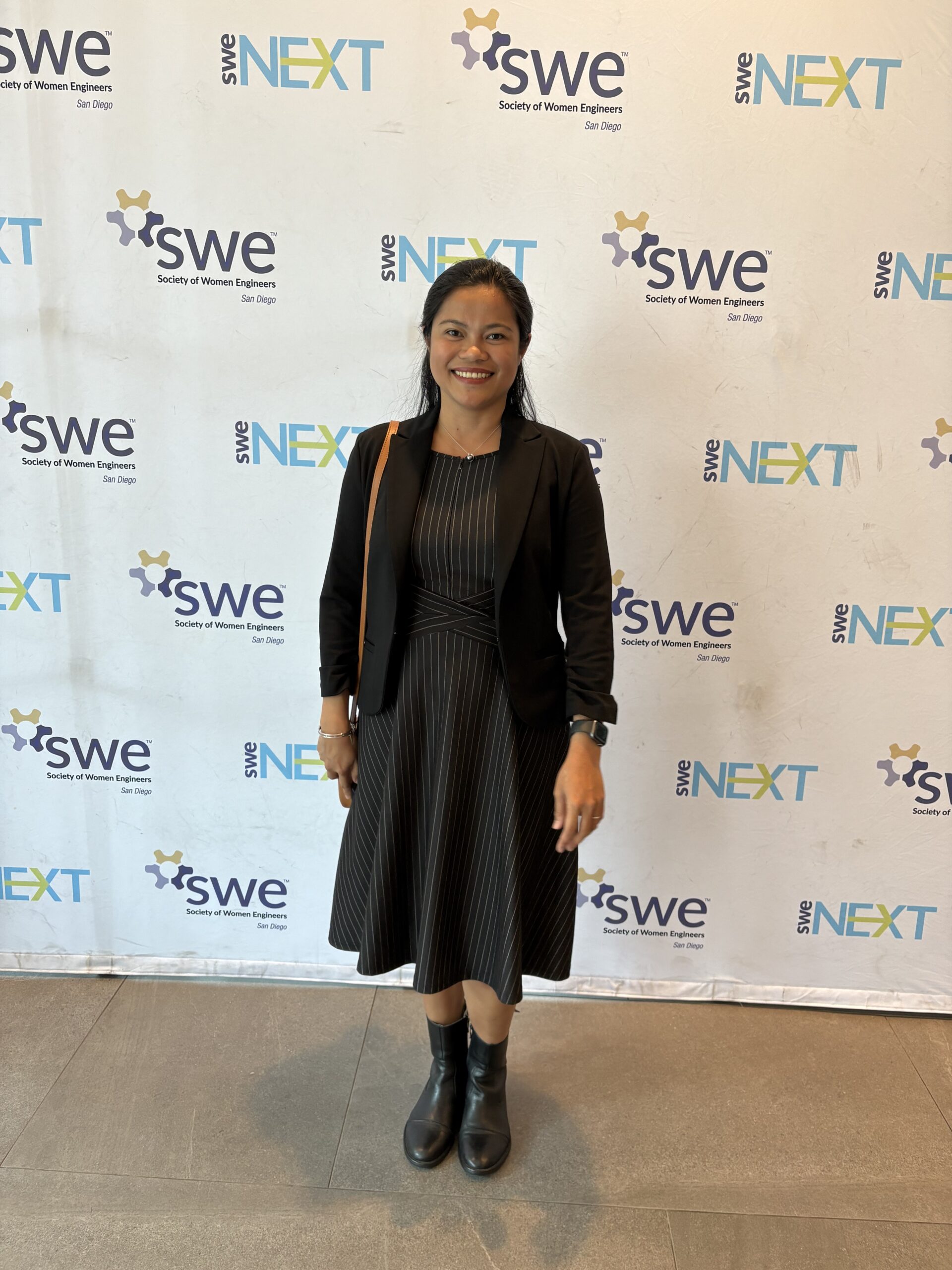
Exploring my experiences as a Filipina immigrant in the construction industry, sharing insights and stories.
Empowerment
Highlighting the strength and resilience of women of color in cp, inspiring others to pursue their passions.
Cultural Identity
Discussing the importance of cultural heritage and how it shapes my experiences and perspectives.
Key Insights
- Understanding the challenges faced by immigrants and how to navigate them successfully in a new country.
- The significance of representation in the construction industry and its impact on future generations.
- Sharing personal stories that resonate with others, fostering a sense of community and support.
- Tips for women entering the trades, including resources and networks that can help them thrive.
- Encouraging dialogue about cultural identity and its role in shaping our professional journeys.
- Steps to Success
1. Identify your passion and set clear goals for your career in the construction industry.
1
2. Build a strong network of support by connecting with mentors and peers who share similar experiences.
2
3. Seek out educational opportunities and training programs that enhance your skills and knowledge.
3
4. Embrace challenges as learning experiences, using them to grow both personally and professionally.
4
5. Share your journey with others, inspiring future generations of women in trades to follow their dreams.
5
Plate the meal attractively, garnish as desired, and serve it hot. Enjoy your delicious homemade meal, and share it with family or friends if desired.